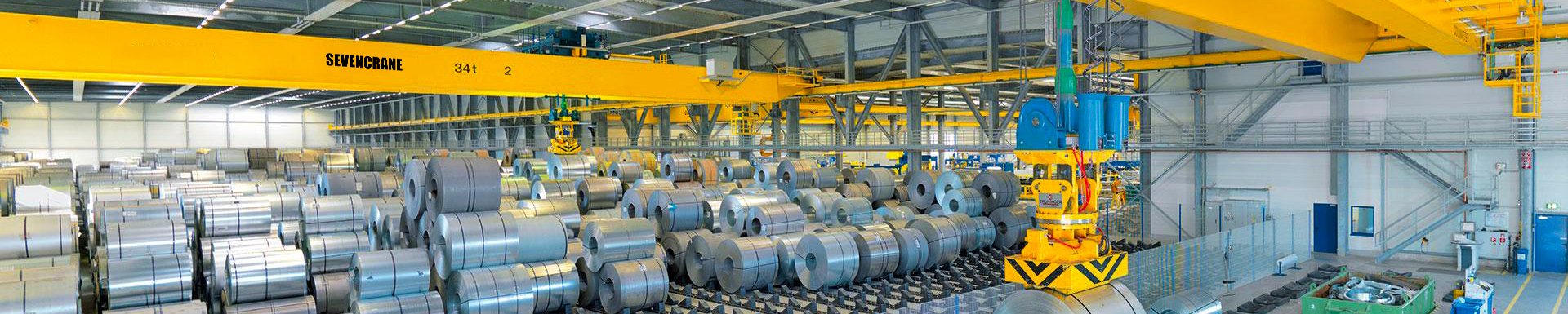

15 Ton Single Girder Overhead Crane in Workshops
Components
1. Bridge Girder: The bridge girder is the main horizontal beam of the single girder overhead crane. It spans the working area and supports both the trolley and the hoist, ensuring stable load handling and smooth travel during lifting operations.
2. End Trucks: Mounted on both ends of the bridge girder, end trucks enable the crane to travel along the runway system. Their robust wheels and drive mechanisms ensure reliable, precise movement across the facility.
3. Runway Beams: Runway beams serve as the tracks for the crane’s travel. Installed parallel to each other, they provide structural support and allow the end trucks and bridge to move safely and efficiently throughout the workspace.
4. Hoist: The hoist is responsible for lifting and lowering loads. It consists of a motor, gearbox, rope or chain drum, and hook. As the main lifting unit of the single girder overhead crane, it provides the power required for vertical load handling.
5. Trolley: The trolley carries the hoist and travels horizontally along the bridge girder. This allows precise positioning of loads during lifting operations.
6. Controls: The single girder overhead crane functions are managed through a pendant control or wireless remote control system, enabling operators to safely control the crane, trolley, and hoist with accuracy and ease.


Advantages
1. Cost-Effective Investment: A single girder overhead crane is a budget-friendly lifting solution compared to double girder models. Its simpler structure reduces initial purchasing costs, installation expenses, and long-term maintenance requirements. This makes it an ideal choice for businesses looking to improve material handling efficiency without a large capital investment.
2. Highly Versatile for Multiple Applications: These cranes can be tailored to different working environments, offering various lifting capacities, spans, and lifting heights. Whether used in manufacturing, warehousing, or assembly workshops, the single girder overhead crane adapts easily to diverse operational needs and supports a wide range of load-handling tasks.
3. Space-Saving Design for Height-Limited Facilities: With a low-headroom configuration, the crane maximizes available vertical space and fits perfectly in buildings with height limitations. The compact structural design allows the single girder overhead crane to operate smoothly while optimizing overhead clearance and improving overall facility layout.
4. Easy Installation and Simplified Maintenance: The straightforward mechanical structure makes the crane quicker to install and easier to maintain than more complex double girder systems. Components are accessible, reducing downtime and ensuring efficient upkeep. This ease of maintenance helps prolong service life and ensures consistent performance.


Applications
1. Manufacturing Industry: A single beam bridge crane plays a vital role in manufacturing facilities by transporting raw materials, machinery, and finished products. Its efficient lifting capability streamlines production processes, reduces manual handling, and improves workflow within assembly lines and fabrication areas.
2. Warehousing and Logistics: In warehouses and distribution centers, this crane is used for loading and unloading goods from trucks, containers, and storage racks. The single beam bridge crane enhances storage efficiency, speeds up material movement, and supports high-volume logistics operations.
3. Construction Projects: Construction sites rely on single girder cranes for lifting steel structures, concrete blocks, prefabricated components, and other heavy building materials. Their reliability and ease of installation make them ideal for semi-permanent or project-based usage.
4. Automotive Industry: Automotive factories use these cranes to handle engine assemblies, body frames, heavy components, and tooling equipment. The precise movement and controlled lifting of a single girder overhead crane support safe and efficient workflow during production and maintenance.
5. Shipbuilding and Marine Repair: In shipyards, the crane is used to lift large structural sections, mechanical parts, and repair components. Its ability to operate over wide spans and handle bulky loads makes it an essential tool for ship construction and refurbishment tasks.
-

CE Certified Wireless Remote Control Top Runnin...
-

10 Ton Single Girder Overhead Bridge Crane Suit...
-

Low Noise Electric Double Girder Overhead Crane
-
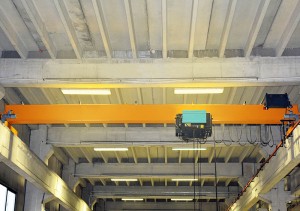
Warehouse 10 Ton 16 Ton Overhead Crane Eot Crane
-

Warehouse Specialized Single Girder Overhead Cr...
-
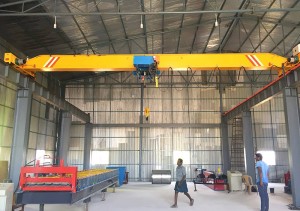
Small 2 Ton 3 Ton 5 Ton Electric Overhead Bridg...