
Customized Fast Installed Big Span Steel Structure Workshop
Design Strategies to Extend the Service Life
Optimized Structural Design for Mechanical Performance
A well-planned structural system is the foundation of long-term durability. Modular framework designs with standardized components improve load distribution and simplify future expansion or modification. By optimizing spans, column spacing, and roof geometry, the structure can better withstand long-term static and dynamic loads while maintaining stable mechanical performance throughout its lifecycle.
Modular Systems with Bolted Connections
Using bolted connections instead of extensive on-site welding helps minimize residual stress and reduces the risk of fatigue cracking at joints. Modular portal frame systems allow flexible adjustment of workshop width and height to suit different production requirements, while efficiently dispersing vertical loads and horizontal forces such as wind and crane loads.
Enhanced Wind and Seismic Resistance
To improve resistance to extreme conditions, cross-bracing systems are installed along the building perimeter to counteract wind pressure and suction. Seismic-resistant joints with controlled flexibility help absorb earthquake energy and limit structural damage. Foundation types—such as isolated footings or raft foundations—are selected according to soil conditions to ensure long-term stability.
Efficient Drainage and Ventilation Design
A double-slope roof accelerates rainwater runoff and prevents water accumulation. Integrated eave gutters and downpipes protect walls from erosion, while roof ventilators promote natural airflow, reducing heat buildup, moisture, and corrosion risks, ultimately extending the structure’s service life.


Why Choose a Steel Structure Workshop?
Fast and Efficient Construction: Steel structure workshops are built using prefabricated components manufactured off-site under strict quality control. These components are then transported and rapidly assembled on-site, greatly shortening construction cycles compared with traditional concrete buildings. Faster installation allows factories to be commissioned sooner, enabling earlier production startup and quicker return on investment.
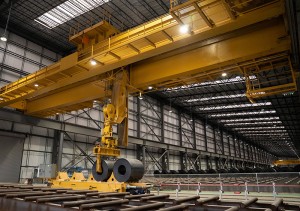
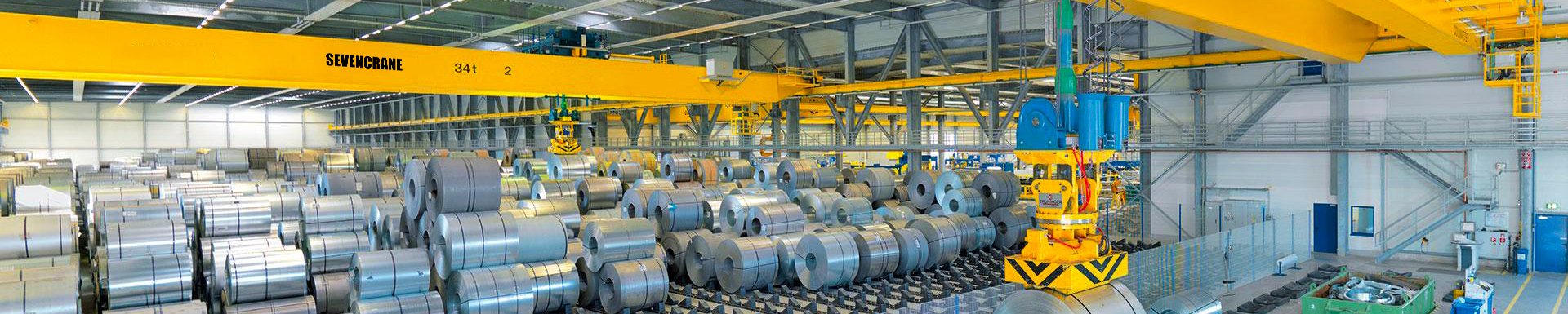
High Design Flexibility: Steel structures offer exceptional adaptability in layout and structural design. Column spacing, spans, and heights can be customized to meet different production requirements, machinery arrangements, and crane systems. When production lines change or future expansion is required, steel workshops can be modified, extended, or upgraded with minimal disruption and cost.
Lightweight Structure: Steel structures are significantly lighter than reinforced concrete buildings. This reduced weight lowers foundation loads, minimizes ground treatment requirements, and cuts civil construction costs. As a result, steel workshops are especially suitable for areas with soft soil conditions or projects requiring relocation or phased construction.
Excellent and Safety Performance: Steel has high strength, elasticity, and ductility, allowing it to absorb and dissipate seismic energy effectively. During earthquakes, steel structure workshops are less likely to suffer catastrophic failure, providing higher safety for personnel, equipment, and ongoing operations—making them an ideal choice for modern industrial facilities.


Common Problems in Steel Structure Workshop Construction
Defects in Node Design: Nodes are critical load-transfer points in steel structures, yet their complex stress conditions are often underestimated. Typical issues include inconsistency between the assumed calculation model and the actual joint configuration, such as beam–column connections that ignore rotational restraints. In addition, insufficient thickness of gusset or connection plates may cause local buckling, while improper bolt spacing or weld layout can lead to serious stress concentration, reducing structural safety and fatigue resistance.
Mismatch Between Material Selection and Project Requirements: Global projects involve different steel standards, such as Q355, A572, and S355. Problems arise when material properties are chosen without fully considering environmental exposure, load conditions, and cost efficiency. For example, using standard carbon steel in coastal or high-salt environments can result in rapid electrochemical corrosion, while over-specifying steel grades may unnecessarily increase project costs without added performance benefits.
Unstable Welding Quality: Welding is a core connection method, yet it remains a major source of quality risk. Common defects include porosity, hot cracking, incomplete fusion, and slag inclusion. These flaws significantly weaken joint strength and fatigue performance and are responsible for a large proportion of structural failures worldwide.
Poor Control of Installation Accuracy: Installation precision directly affects overall stability. Measurement errors, such as excessive column verticality deviation or misaligned beams, can accumulate during erection, leading to structural stress redistribution and costly rework, including cutting and repositioning components.
Failure of Anti-Corrosion Systems: Different climates demand different corrosion-protection strategies. Relying on a single coating system without long-term maintenance planning often results in premature coating failure, corrosion, and even structural perforation within a decade, especially in humid, coastal, or industrial environments.