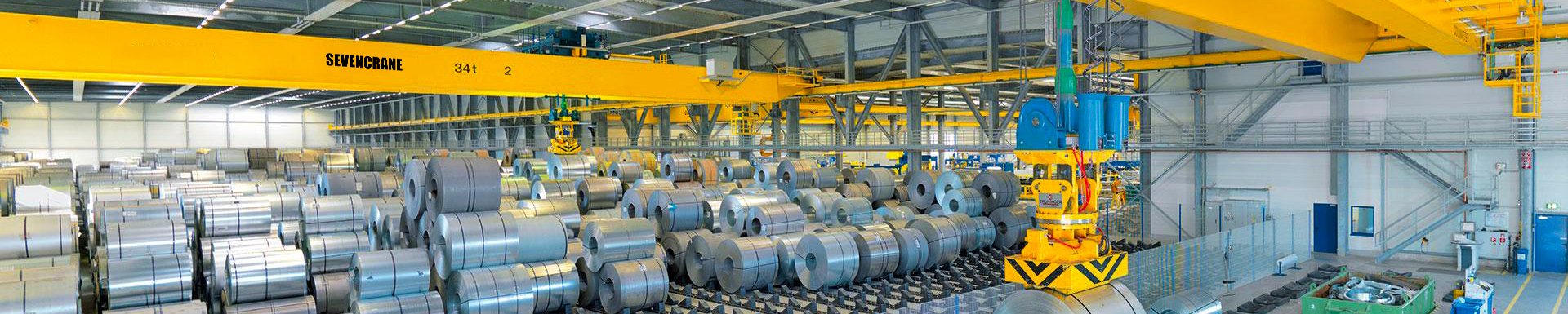

Efficient Rail Mounted Container Gantry Crane for High-Speed Container Transfer
Safety Features
♦Load Monitoring System: RMG cranes are equipped with advanced load monitoring systems that continuously measure the actual lifting weight. These systems prevent overloading by stopping lifting operations when the load exceeds the rated capacity, protecting both the crane structure and operators from potential hazards.
♦Anti-Sway Control: Intelligent anti-sway mechanisms are integrated into the control system to minimize lateral load movement during lifting and traveling. By reducing load swing, the system improves handling accuracy, shortens operation cycles, and enhances overall operational safety.
♦Limit Switch Protection: Upper and lower limit switches are installed on hoists and trolleys to prevent over-travel. These devices automatically stop crane movement when preset limits are reached, protecting mechanical components from damage and avoiding unsafe operating conditions.
♦Automation and Remote Operation: RMG cranes support automated and remote control functions, enabling precise and consistent crane movements. Automation reduces reliance on manual operation, minimizes human error, and allows operators to control the crane from safe locations.
♦Redundant Braking System: To ensure safe load handling, RMG cranes are equipped with redundant braking systems combining mechanical and electromagnetic brakes. This dual-layer protection ensures reliable stopping performance, even in the event of power loss or component failure.


How the Lifting Mechanism Works
Understanding the operation of an RMG crane’s lifting mechanism helps illustrate its complexity and precision:
♦Positioning the Crane: The crane operator moves the RMG along its rails to align the hoist over the target load. Modern RMG cranes may be operated via remote control or automated systems, improving efficiency and reducing operator fatigue.
♦Lowering the Hook: The hoist lowers the hook or spreader to engage the load. Sensors and cameras may assist in precise positioning.
♦Engaging the Load: The hook or spreader attaches securely to the load. For containers, twist locks on the spreader ensure a tight grip.
♦Lifting the Load: The hoist drum rotates, winding the wire rope and raising the load. The gearbox and motor provide the necessary torque, while the braking system ensures controlled motion.
♦Moving Horizontally: With the load lifted, the trolley moves along the bridge to the desired placement point. The load remains stable due to the crane’s structural rigidity and precise controls.
♦Lowering and Placement: The hoist lowers the load smoothly. Sensors and automation systems prevent abrupt movements, reducing the risk of load swing or impact.
♦Release: Once in position, the hook or spreader releases the load, completing the operation.


Maintenance Considerations
Regular inspection and preventive maintenance are essential to ensure the safe operation, reliability, and long service life of the lifting mechanism in a rail mounted gantry crane. Proper maintenance also helps reduce unexpected downtime and overall operating costs.
Wire Rope Inspection: The wire ropes should be inspected routinely for signs of wear, corrosion, broken strands, or deformation. Any abnormal condition must be addressed immediately, as wire rope failure can lead to serious safety risks.
Lubrication of Key Components: Proper lubrication of gears, drums, bearings, and wire ropes is critical for reducing friction and mechanical wear. Using suitable lubricants at recommended intervals helps maintain smooth operation and extends component lifespan.
Brake System Testing: Both mechanical and electromagnetic braking systems should be tested regularly to ensure reliable stopping performance. Brake pads, discs, and response times must be checked to confirm effective load holding, especially during emergency stops.
Motor and Gearbox Monitoring: Electric motors and gearboxes should be monitored for abnormal temperature rise, vibration, or unusual noise. Early detection of these issues can prevent serious mechanical failures and costly repairs.
Hook and Spreader Examination: The hook block and container spreader must be inspected for cracks, deformation, or excessive wear. Safety latches, twist locks, and locking mechanisms should function smoothly and securely at all times.
Preventive Maintenance Benefits: Implementing a structured maintenance schedule significantly improves crane reliability, reduces operational interruptions, and maximizes the overall service life of the lifting mechanism.
-

20 Ton Double Girder Gantry Crane for Outdoor U...
-

Remote Control Single Girder Gantry Crane with ...
-

Sturdy Outdoor Double Girder Gantry Crane for P...
-

50 Ton Container Gantry Crane for Material Proc...
-

Goliath Rail Mounted Gantry Crane for Large Spa...
-

Box Type Double Girder Gantry Crane with Safety...