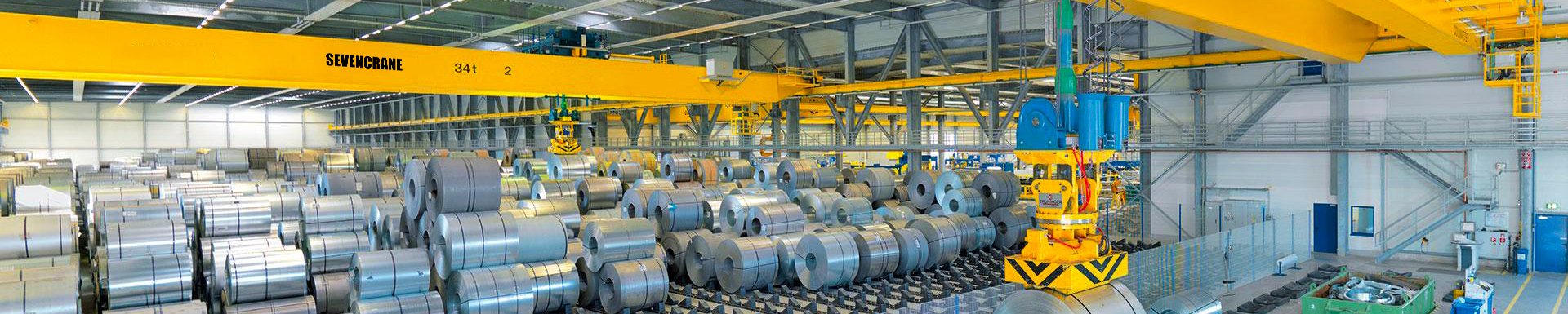

Fast Construction Steel Structure Workshop with Overhead Bridge Crane
Overview
Steel structure workshops are industrial facilities specifically engineered to support a wide range of production and processing activities. This modern building system uses steel as the primary load-bearing material, forming a stable framework composed of columns and beams. Key structural components typically include H-section steel for main frames, along with C-, Z-, and U-shaped purlins that support the roof and wall systems. Compared with traditional concrete buildings, steel structure workshops offer faster construction, lighter overall weight, and greater design flexibility.
Thanks to their strength, durability, and cost efficiency, steel frame workshops are widely applied in industries such as automotive manufacturing, aerospace, construction, logistics, and general industrial production. The modular nature of steel structures also allows easy expansion or layout modification to meet changing production demands.
When combined with overhead cranes, steel structure workshops become even more functional. The steel frame can be specially designed to support single girder or double girder bridge cranes, enabling efficient material handling, heavy lifting, and streamlined workflows within the workshop. This integration significantly improves productivity, safety, and space utilization in modern industrial operations.


Types
Steel structure workshops can be classified into several types based on building height and structural span, allowing manufacturers to choose the most suitable solution for their operational needs. Each type offers distinct advantages in terms of space utilization, layout flexibility, and cost control.
Single-Story Steel Structure Workshop
A single-story steel workshop features one open level with no intermediate floors. This design provides a large, unobstructed floor area and generous headroom, making it ideal for manufacturing, equipment assembly, warehousing, and material handling operations. High ceilings allow for the installation of overhead cranes, ventilation systems, and large machinery. Single-story workshops are especially suitable for industries that rely on heavy lifting, wide production lines, or frequent movement of goods.
Multi-Story Steel Structure Workshop
Multi-story steel workshops are designed with two or more floors to fully utilize vertical space. This type is commonly adopted in areas with limited land availability or higher land costs. Different floors can be allocated for separate functions, such as production, storage, offices, or testing areas, improving operational organization. The steel structure ensures sufficient load-bearing capacity while maintaining structural safety and flexibility.
Single-Span Steel Structure Workshop
Single-span workshops feature a clear-span design with no internal columns, creating a wide, open interior space. This layout offers excellent flexibility for equipment placement and production line arrangement. Depending on requirements, both short-span and long-span configurations are available, making them suitable for warehouses, logistics centers, and large-scale manufacturing.
Multi-Span Steel Structure Workshop
Multi-span workshops consist of several spans supported by internal columns. This structure enhances overall stability and allows for varied roof heights and segmented functional areas. It is well suited for complex production processes, assembly lines, and facilities requiring clearly divided operational zones.


Combined Solution for Overhead Crane and Steel Structure Workshop
Integrating an overhead crane system into a steel structure workshop creates a highly efficient and reliable lifting solution for modern industrial facilities. This combined approach ensures optimal space utilization, smooth material flow, and enhanced workplace safety. By designing the workshop and crane system as a unified structure, operational performance and long-term stability can be significantly improved.
Integrated Structural Design: The steel structure workshop is engineered from the outset to support overhead crane operations. Key load-bearing elements such as columns, roof trusses, crane runway beams, and bracing systems are carefully calculated to withstand both static and dynamic crane loads. Proper consideration is given to lifting capacity, span, lifting height, and crane classification to ensure structural safety and durability throughout the crane’s service life.
Crane Type Selection: Based on the workshop layout, lifting requirements, and production processes, the most suitable crane system is selected. Options include single-girder overhead cranes for light to medium-duty applications, double-girder overhead cranes for heavy-duty and high-frequency lifting, or gantry cranes where building structures cannot support runway beams. Each solution is tailored to match operational demands.
Professional Installation and Integration: The overhead crane is installed along dedicated runway rails or beams integrated into the steel structure. Precise alignment, secure connections, and strict installation standards ensure smooth crane travel and stable operation. Electrical systems, safety devices, and control methods are integrated to deliver efficient, safe, and reliable lifting performance within the steel structure workshop.
-

Low Temperature Single Girder Gantry Crane with...
-

Industrial Double Girder Overhead Crane for Wor...
-

Steel Structure Workshop With Bridge Crane for ...
-
50 Ton Electric Double Girder Eot Crane Manufac...
-
30 Ton 40 Ton Double Girder Rubber Tired Gantry...
-

Low Noise Double Girder Overhead Crane for Indo...