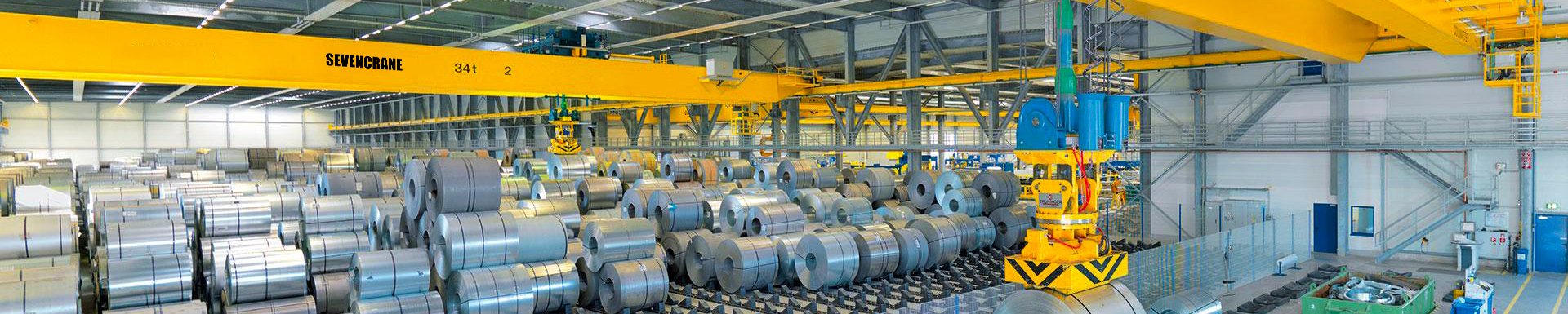

Goliath Rail Mounted Gantry Crane for Large Span Applications
Features
♦Fixed Track Operation: A Rail Mounted Gantry Crane (RMG) operates strictly along a predefined rail system. While this limits its movement to fixed routes, it provides exceptional stability and control. This makes RMG cranes especially suitable for large container yards, warehouses, and industrial facilities where operating paths and lifting points are clearly defined and consistent.
♦High Positioning Accuracy: Thanks to its rail-guided design, the RMG delivers highly precise and repeatable movements. It can accurately position loads during lifting, traveling, and placing operations, which significantly reduces handling errors. This level of precision is essential in applications that demand strict alignment, such as automated terminals and high-density storage yards.
♦Outstanding Load Capacity: RMG cranes are designed to handle extremely heavy loads. Compared with rubber tired gantry cranes, RMG systems generally offer higher lifting capacities, with certain configurations exceeding 100 tons. This makes them ideal for heavy-duty cargo handling, large container operations, and industrial material transfer.
♦Robust Structure: Supported by steel rails, the RMG experiences reduced structural stress and less vibration during operation. This minimizes wear on key components and extends the overall service life of the crane. Its robust construction allows reliable performance even in high-intensity and high-frequency working conditions.
♦Energy Efficiency: Most RMG cranes are electrically powered, enabling stable energy consumption and lower operating costs. When connected to grid power or renewable energy sources, they offer high energy efficiency and reduced emissions, meeting modern requirements for sustainable and environmentally responsible operations.


Inspection and Maintenance
♦Structural Components Inspection: The metal structure forms the backbone of the Rail Mounted Gantry crane and includes the main girder, end beams, legs, and other load-bearing members. Regular inspections should focus on weld seams, bolt connections, and areas exposed to stress concentration. Any signs of deformation, cracking, or corrosion must be addressed promptly to maintain structural integrity and ensure long-term stability.
♦Hoisting Mechanism Maintenance: The hoisting system is one of the most critical parts of the crane, consisting of the motor, gearbox, drum, wire rope, and spreader. Wire ropes require frequent checks for wear, broken strands, corrosion, and secure end fixations. If the rope diameter falls below allowable limits or visible damage appears, immediate replacement is necessary to avoid safety risks.
♦Traveling and Running Mechanism Checks: The crane traveling system includes gantry travel and trolley movement mechanisms. Special attention should be given to wheels, bearings, and rails. Abnormal noise, vibration, or wheel–rail “gnawing” indicates misalignment or poor synchronization of motors and brakes, which should be adjusted in time to prevent accelerated wear.
♦Electrical System Inspection: The electrical system covers power supply units, control panels, cables, sensors, and protection devices. Routine maintenance includes checking cable insulation, contactor wear, limit switches, and grounding systems. Reliable safety functions such as overload, short-circuit, voltage loss, and emergency stop protection must always remain fully operational.
♦Rail and Track System Maintenance: As the foundation of crane operation, rails must maintain proper alignment, gauge accuracy, and surface flatness. Excessive side wear, uneven joints, or height differences beyond permissible limits can affect crane stability and should be corrected or replaced promptly.


Steps to Choose the Right Rail Mounted Gantry Crane Solution
♦Assess Your Lifting Requirements: Begin by clearly defining your operational needs. Consider the maximum load weight, load dimensions, lifting height, span, and travel distance. Also evaluate how frequently the crane will be used and whether there are special handling conditions, such as high precision, automation, or harsh working environments. These factors form the foundation for selecting a suitable RMG crane configuration.
♦Define Your Budget and Investment Scope: Establish a realistic budget based on your operational scale and long-term usage plans. A professional gantry crane supplier can help you balance performance, safety, and cost, ensuring you invest in a solution that delivers the best value over its service life rather than focusing only on initial price.
♦Select a Reliable Manufacturer or Supplier: Choose an experienced gantry crane manufacturer with proven expertise in Rail Mounted Gantry Cranes. Look for companies capable of providing customized designs, technical support, and compliance with international standards. Experience in similar projects is a strong indicator of reliability.
♦Evaluate the Technical Proposal Carefully: Review the supplier’s proposal in detail. This should include technical specifications, safety features, control systems, delivery schedule, installation plan, and after-sales service. Clarify any uncertainties to ensure the solution fully meets your operational expectations.
♦Ensure Long-Term Support and Safety: Working with a reputable supplier ensures proper installation, operator training, and ongoing maintenance support. This guarantees safe, stable, and efficient crane operation throughout its lifespan.