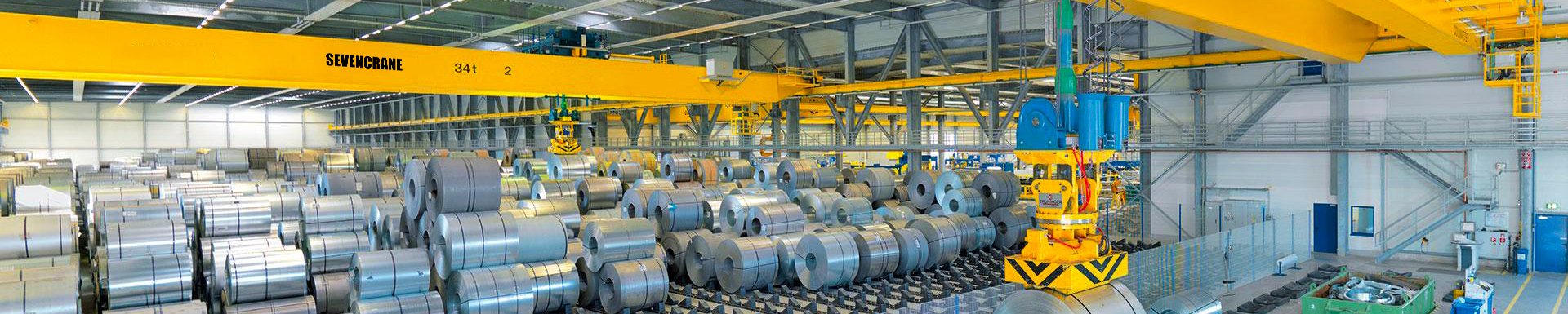

Heavy Duty Double Girder Overhead Crane for Steel Structure Workshop
Features
♦Compact Structure and Lightweight Design: Compared with conventional crane systems, the double girder overhead crane designed to European standards features a more compact structure and significantly reduced dead weight. Advanced engineering optimizes the steel structure and component layout, allowing the crane to deliver high lifting performance while placing less load on the building structure. This makes it suitable for both new installations and upgrades of existing workshops.
♦Low Headroom for Maximum Space Utilization: The low headroom design minimizes the distance between the hook and the ceiling, enabling efficient use of vertical space. This is especially beneficial for factories with limited building height, as it allows higher lifting heights without structural modifications.
♦Standardized Modular Design: Key components such as motors, reducers, and wheel sets are designed using a standardized modular concept. This modularity simplifies maintenance, reduces downtime, and makes component replacement faster and more cost-effective over the crane’s service life.
♦Low Noise and Energy Efficiency: Equipped with European-standard motors and transmission systems, the double girder overhead crane operates with minimal noise and vibration. Energy consumption is reduced by approximately 20–30% compared to traditional cranes, helping lower operating costs while supporting sustainable and efficient production.


What Affects the Price of an Overhead Crane?
The price of an overhead crane is influenced by multiple technical and operational factors. When requesting a quotation from an overhead crane manufacturer, providing clear and detailed information will help ensure an accurate and cost-effective solution. Key factors include:
♦Intended Application: The specific job your crane needs to perform—such as material handling, assembly, or heavy-duty lifting—directly impacts the crane’s design, configuration, and overall cost.
♦Future Business Expansion: If you plan to expand operations or increase production capacity, the crane may need to be designed with higher specifications, which can affect pricing.
♦Lifting Capacity: The maximum rated load the crane must lift is one of the most critical cost factors. Higher capacities require stronger structures, larger hoists, and more robust components.
♦Crane Span: The horizontal distance between runway rails determines the span. Longer spans require additional steel and reinforcement, increasing material and manufacturing costs.
♦Lifting Height: The required hook or lifting height affects crane structure, hoist selection, and building compatibility, all of which influence the final price.
♦Usage Frequency: How often the crane will operate—light, moderate, or heavy duty—determines the duty class and component quality needed, impacting long-term cost and reliability.
♦Runway Requirements: Whether a new runway system is required, and the length of the bay the crane must travel, can significantly add to the total project cost.
♦Building and Structural Conditions: Special installation requirements, limited space, or structural reinforcements may require custom engineering solutions, increasing overall expenses.
♦Understanding these factors helps ensure you receive a crane that meets both your operational needs and budget expectations.


About Double Girder Overhead Crane
Q1: How long can a double girder overhead crane last?
A double girder overhead crane is designed for long-term heavy-duty use and generally has a service life of more than 10 years. With proper operation, routine inspections, and regular maintenance, its actual lifespan can be significantly extended. For special lifting capacities or harsh working conditions, customized crane designs are available to ensure durability, safety, and stable performance over many years.
Q2: What should you know before buying a double girder overhead crane?
Before purchasing, it is essential to select a reliable and experienced crane manufacturer. Different suppliers may vary in design standards, materials, and dimensions, which can affect installation and long-term operation. You should also confirm shipping costs and delivery lead times in advance. The price of a double girder overhead crane is not fixed—it depends on factors such as lifting capacity, span, lifting height, working environment, and installation requirements. Professional engineers can provide optimized design drawings and a cost-effective quotation based on your site conditions.
Q3: Where are double girder overhead cranes commonly used?
These cranes are widely applied in aircraft manufacturing, metal processing, power plants, cement and concrete plants, shipyards, mining, chemical production, paper mills, railways, and waste treatment facilities where high lifting capacity and reliability are required.
Q4: What services does SEVENCRANE provide?
SEVENCRANE has over 30 years of experience in crane engineering and manufacturing. We provide complete services including crane project design, installation, lifetime maintenance, technical support, and spare parts supply, ensuring reliable performance and competitive value throughout the crane’s lifecycle.
-

Workshop Double Girder Overhead Crane with Remo...
-

Industrial Double Girder Overhead Crane for Wor...
-

Double Girder Overhead Crane Manufacturer Direc...
-

30 Ton Double Girder Overhead Crane with Remote...
-

Double girder bridge crane for lifting heavy ob...
-
Customizable Double Girder Overhead Cranes Tail...