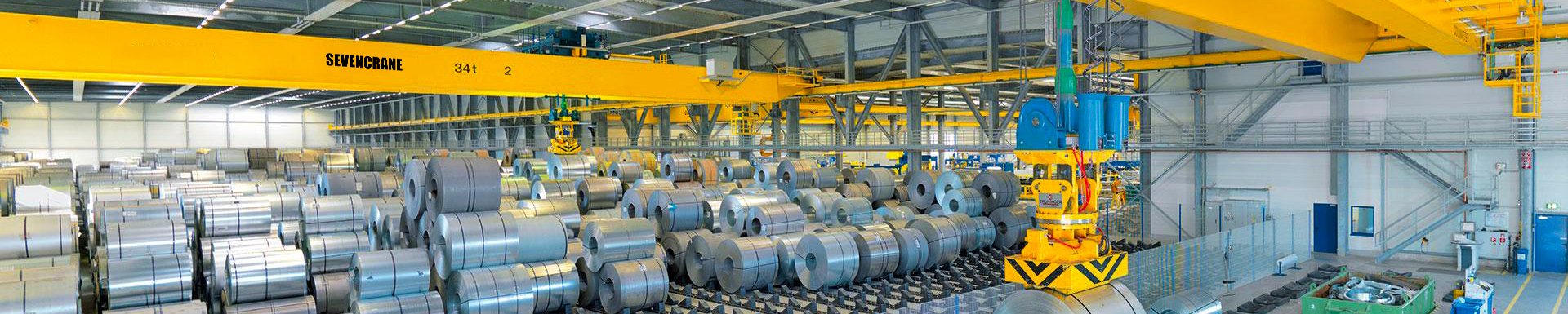

Hot Selling Semi Gantry Crane with Wireless Remote Control
Overview
The Semi Half Gantry Crane is a versatile and robust solution designed for efficient material handling in environments where space and flexibility are crucial. Combining the advantages of both overhead and full gantry cranes, it is suitable for indoor and outdoor applications alike. Its unique structure—supported by a floor-level rail on one side and a runway on the other—allows for smooth operation and reliable lifting across various settings.
Ideal for industries such as manufacturing, construction, shipbuilding, and logistics, the semi-gantry crane streamlines workflows by enabling the precise movement of heavy loads. Its design ensures stability and safety while minimizing the footprint, making it an excellent choice for facilities with limited space. Whether handling bulky components or repetitive lifting tasks, the semi-gantry crane provides consistent performance with minimal downtime.
One of the key benefits of this crane type is its adaptability. With options for single or double girder configurations, it can be customized to match specific lifting requirements and site conditions. The combination of elevated and ground-level support ensures that the crane can reach areas that might be challenging for traditional systems, offering both operational flexibility and efficient space utilization.
Investing in a semi-gantry crane means choosing a durable, reliable, and high-performance material handling solution. From heavy-duty construction work to precise industrial lifting, it delivers safety, efficiency, and productivity. By tailoring the crane to your specific needs, you can handle large loads effortlessly while optimizing your workspace, ensuring that your operations run smoothly and effectively.


Key Features
♦Partial Ground Support: The semi-gantry crane is supported by a runway on one side and a movable leg on the other. This design minimizes the need for extensive runway systems, allowing for more usable workspace and easier integration into existing facilities.
♦Low Headroom Design: Perfect for areas with height restrictions, semi-gantry cranes can be engineered with low headroom, making them ideal for factories or warehouses where vertical space is limited.
♦Versatile Indoor and Outdoor Use: Thanks to its adaptable design, the crane can operate efficiently both indoors and outdoors. Installation is straightforward, often requiring minimal modifications to existing structures.
♦Customizable Configurations: Semi-gantry cranes can be tailored to meet specific operational needs, including varying spans, lifting capacities, and heights. They are available in both single-girder and double-girder configurations to suit different applications.
♦Robust Construction: Built from high-strength materials, these cranes can safely and accurately handle heavy loads. Depending on design specifications, lifting capacities range from a few tons to several hundred tons.
♦Advanced Hoisting Systems: Equipped with modern hoists—electric or manual—and other advanced lifting technologies, the crane ensures smooth, reliable, and precise operation every time.
♦User-Friendly Controls: Operators benefit from simple, intuitive controls for safe and efficient handling. Optional remote control and cab operation further enhance flexibility and convenience.
♦Integrated Safety Features: Safety is prioritized with built-in systems such as overload protection, anti-collision devices, and emergency stop functions, ensuring reliable operation even in demanding conditions.
♦Reduced Infrastructure Costs: Semi-gantry cranes require less structural support than full gantry or overhead cranes, lowering installation and maintenance expenses without compromising performance.
♦Energy Efficiency: Designed for optimal performance, the crane consumes less power during operation, helping reduce energy costs and minimize overall operating expenses.


Key Components
♦Girder: The girder is the main horizontal beam that spans between the crane’s supports. Semi-gantry cranes can feature either a single-girder or double-girder configuration, depending on lifting requirements. Typically made from high-strength steel, the girder is engineered to endure significant bending and torsional forces, ensuring stability and durability during heavy lifting operations. It also serves as the track for the hoist to move horizontally, allowing precise positioning of loads.
♦Hoist: The hoist is the primary lifting mechanism of the crane, responsible for raising and lowering loads. It can be electrically powered for heavy-duty industrial applications or manually operated for lighter loads and simpler operations. Mounted on the girder, the hoist moves along the beam to position the load accurately. Key components include a motor, drum, wire rope or chain, and hook, all designed to deliver smooth and reliable lifting performance.
♦Leg: One side of the semi-gantry crane is supported by a vertical leg that runs on a ground-level rail or track. This leg provides stability, bears part of the load, and allows the crane to traverse horizontally across the workspace. Equipped with wheels or bogies, it ensures smooth movement while maintaining balance and safety during operation.
♦Control System: The control system enables the operator to manage the crane’s movements efficiently. Options include pendant controls, radio remote controls, or a cabin-operated system, offering flexibility based on user preference and site requirements. The system allows precise control over lifting, lowering, and traversing functions, ensuring safe and accurate material handling.
-
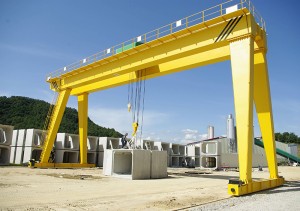
Heavy Duty Winch Trolley Double Beam Gantry Crane
-

Railroad Gantry Crane for Efficient Railway Lif...
-

Box Type Double Girder Gantry Crane with Safety...
-

20 Ton Double Girder Gantry Crane for Factory L...
-

Popular Railroad Gantry Crane with Electric Hoist
-

Safe and Precise Rail Mounted Gantry Crane in C...