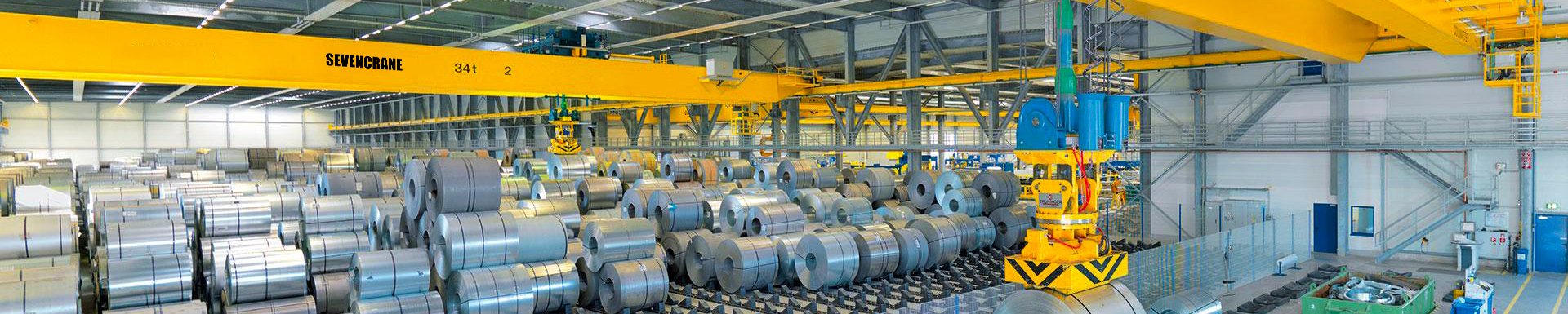

Indoor Gantry Crane for Small Factory Material Handling
Advantages of Indoor Gantry Crane
♦Enhanced Productivity and Efficiency
Indoor gantry cranes significantly improve operational efficiency by enabling the quick and precise movement of heavy materials within a facility. Compared to manual handling or forklifts, they reduce handling time and streamline workflows, allowing production and logistics processes to run more smoothly and consistently.
♦High Level of Operational Safety
Safety is a major advantage of indoor gantry cranes. They are equipped with multiple protective features such as overload protection devices, limit switches, and emergency stop systems. These mechanisms help prevent accidents, protect both operators and equipment, and ensure stable performance even under demanding working conditions.
♦Strong Versatility and Adaptability
Indoor gantry cranes can be tailored to meet the needs of various industries, including manufacturing, warehousing, and assembly. With customizable span, lifting height, and hoist configurations, they can handle a wide range of materials and tasks, making them suitable for diverse applications.
♦Durable and Reliable Structure
Built from high-strength steel and quality components, indoor gantry cranes are designed to withstand continuous use in industrial environments. Their robust construction ensures long service life, reduced wear, and dependable operation, even under heavy workloads.
♦Cost-Effective Material Handling Solution
By reducing reliance on manual labor and minimizing the risk of material damage, indoor gantry cranes help lower overall operating costs. Their relatively simple installation and maintenance requirements further contribute to long-term savings, making them a practical investment for many businesses.


Application Fields of Indoor Gantry Cran
♦Multi-Spec Assembly Lines: Indoor gantry cranes are highly suitable for production lines where workpieces frequently change in size, shape, or height. In such environments, flexibility is essential. The crane can quickly adapt to different lifting requirements, assisting in the positioning and transfer of components during assembly. This improves workflow efficiency and reduces downtime caused by manual adjustments.
♦Inspection and Maintenance Workshops: In maintenance and repair facilities, indoor gantry cranes provide a reliable solution for lifting and handling various types of equipment, such as engines, molds, and mechanical parts. They allow technicians to safely disassemble, inspect, and reassemble heavy components with greater precision, reducing labor intensity and improving maintenance efficiency.
♦Warehousing and Logistics Transfer Areas: Indoor gantry cranes are widely used in warehouses and logistics zones for the temporary handling of goods with different sizes and shapes. They enable efficient loading, unloading, and repositioning of materials, especially in situations where fixed lifting systems are not practical. Their mobility makes them ideal for dynamic storage environments.
♦Confined or Low-Clearance Spaces: These cranes are particularly effective in restricted environments where traditional lifting equipment cannot operate efficiently. Locations such as underground parking garages, mezzanine workshops, and low-height industrial buildings benefit from their compact design. The crane can perform lifting tasks without requiring large installation space, making it a practical solution for space-limited operations.


Guidelines for Selecting an Indoor Gantry Crane
♦Choose Based on Actual Working Requirements
The first step in selecting an indoor gantry crane is to clearly define your operational needs. Key parameters such as lifting capacity, span, and lifting height should be determined according to the weight and dimensions of the materials being handled, as well as the available workspace. For applications involving frequent or continuous operation, it is advisable to select a crane with a higher duty classification to ensure long-term reliability and performance.
♦Evaluate Cost-Effectiveness Carefully
When comparing different options, it is important to balance price with performance and durability. A lower initial cost may not always provide the best value if it leads to higher maintenance expenses or shorter service life. Instead, consider the total cost of ownership, including operating efficiency, maintenance requirements, and expected lifespan, to make a more informed decision.
♦Prioritize Product Quality and Manufacturer Reliability
Selecting a reputable and experienced manufacturer is essential for ensuring product quality. Look for suppliers with proven industry experience, strong technical capabilities, and recognized certifications such as ISO and CE. High-quality materials, precise manufacturing processes, and strict quality control systems are key indicators of a reliable crane that can perform safely and consistently.
♦Focus on After-Sales Service and Support
Comprehensive after-sales service is a critical factor in your purchasing decision. Ensure that the supplier can provide installation guidance, operator training, maintenance support, and timely spare parts supply. Reliable technical assistance, especially for troubleshooting and long-term maintenance, will help minimize downtime and ensure smooth operation throughout the crane’s lifecycle.
-

25 Ton Double Girder Gantry Crane for Steel Pro...
-

50 Ton Container Gantry Crane for Material Proc...
-

China Good Price Railroad Gantry Crane for Fact...
-

20 Ton Double Girder Gantry Crane for Outdoor U...
-

Heavy Duty Lifting Outdoor Gantry Crane for All...
-

Fast and Efficient Lifting Electric Indoor Gant...