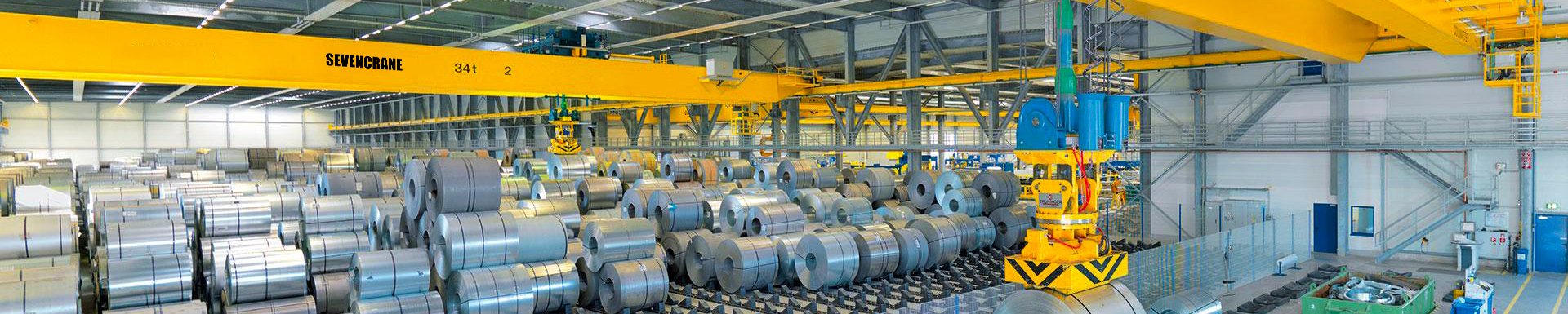

Remote Control Double Girder Gantry Crane for Container Lifting
Introduction
A double girder gantry crane is a heavy-duty lifting solution designed with two parallel main girders to provide superior strength, stability, and lifting performance. It is widely used for general material handling in industries that require reliable movement of large or heavy loads. Thanks to its robust structure and high load capacity, this type of gantry crane is suitable for both indoor workshops and outdoor sites where installing overhead crane runways is impractical or uneconomical.
Compared with a single girder gantry crane, the double girder design offers greater lifting capacity, higher working efficiency, and improved durability under demanding conditions. It is particularly suitable for handling heavy equipment, steel structures, precast components, containers, or machinery in environments with high working intensity, harsh weather, or special operational requirements. The enhanced structural rigidity also allows for larger spans and higher lifting heights.
The crane mainly consists of a gantry frame, hoisting trolley (crab), trolley traveling mechanism, crane traveling system, operator’s cabin, and electrical control system. The gantry typically adopts a box-type structure for increased strength and stability. Rails are installed along the sides of the girders, and the supporting legs can be designed in A-type or U-type configurations to meet different site layouts and operational needs.
For operation, multiple control options are available, including ground pendant control, wireless remote control, cabin operation, or a combination of these methods. The operator’s cabin can be equipped with ergonomic seating, insulated flooring, safety glass, ventilation, fire extinguisher, air conditioning, alarm systems, and communication devices, ensuring safe, comfortable, and efficient crane operation.


Advantages
1. Exceptional Lifting Capacity and Structural Strength
Double girder gantry cranes are designed for demanding lifting tasks and can handle loads ranging from medium-duty industrial materials to extremely heavy equipment. Their dual-beam structure provides greater stability, higher load capacity, and reduced beam deflection compared with single girder designs. This makes them ideal for steel plants, precast yards, shipyards, ports, and large manufacturing facilities where heavy and oversized components must be moved safely and efficiently. The design also allows for higher lifting heights and larger spans, making them suitable for large-scale outdoor operations.
2. Wide Working Coverage and Efficient Material Handling
These cranes provide extensive operational coverage across large work zones. The trolley moves smoothly along the two main girders, while the crane travels along rails or ground paths, forming a full three-dimensional handling space. Rail-mounted models are suitable for long production lines or storage yards, enabling consistent and precise material transport over long distances. Rubber-tyred versions offer even greater flexibility, allowing movement between different work areas without fixed tracks. This versatility improves workflow efficiency, reduces manual handling, and optimizes site logistics.
3. Advanced Safety Systems and User-Friendly Control
Double girder gantry cranes are equipped with comprehensive safety protections to ensure secure operation. Common systems include overload protection, lifting height limits, travel limits, emergency stop functions, anti-collision devices, and buffers to reduce impact. Operators can choose from multiple control options such as cabin control for complex lifting tasks, pendant control for close-range work, or wireless remote control for safer operation in hazardous environments. The intuitive control system ensures smooth operation and reduces the learning curve for new operators.
4. Durable Design with Long Service Life and Economic Value
Built with robust steel structures and high-quality mechanical components, double girder gantry cranes are engineered for long-term use in harsh industrial environments. Installation is relatively straightforward because they do not require building-mounted runway beams like overhead cranes. Maintenance is also convenient due to accessible components and standardized spare parts. With proper servicing, these cranes can operate reliably for many years, offering excellent return on investment through high productivity, low downtime, and reduced long-term operational costs.


Usage Precautions
1. Pre-Operation Inspection: Before starting each shift, carefully inspect all critical components. Check the hoist rope for wear, corrosion, broken wires, or flattening. Examine the hook for deformation, cracks, and ensure the safety latch works properly. Verify that the runway rails or floor are straight, level, and free of obstacles. Test limit switches and emergency stop buttons to ensure proper functionality. Regular inspections prevent accidents and minimize unexpected downtime.
2. Load Capacity and Handling: Always respect the double girder gantry crane’s rated capacity and treat it as a strict limit. Overloading can damage structural components, hoists, and motors. Ensure the load is balanced, secured with appropriate slings, shackles, or spreader bars, and positioned directly under the hoist to avoid side pull. Proper load control reduces swing, improves precision, and protects both the crane and materials.
3. Smooth Operation: Lift and lower loads gradually, avoiding sudden starts or stops. Do not drag loads along the floor, as this may damage the crane or surface. Maintain clear communication and ensure personnel remain clear of suspended loads to reduce risk during operation.
4. Environmental Considerations: Operate the double girder gantry crane only within rated conditions. For outdoor gantry cranes, avoid use in high winds, heavy rain, or storms. Keep rails clean, level, and properly cleared, and secure rubber-tired cranes with chocks when parked. A controlled environment improves safety and reduces wear.
5. Operator Training: Operators must be trained and qualified according to local safety regulations. Proper training ensures correct signaling, load positioning, and emergency responses, improving efficiency and reducing operational errors.
6. Load Testing: After installation, perform a certified load test to confirm the crane handles its rated capacity. Periodic re-testing ensures continued safe operation as the crane ages.
-

Wind-Resistant 20 Ton Double Girder Gantry Cran...
-
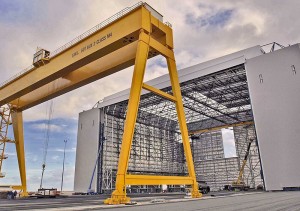
10~50t Construction Double Girder Cantilever Ga...
-

25 Ton Double Girder Gantry Crane for Steel Pro...
-

Universal Lifting and Travelling Double Girder ...
-
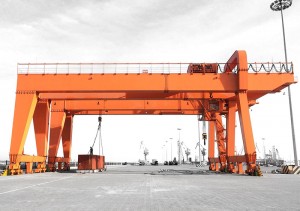
Customized Lifting Hoist 50 Ton Port Container ...
-
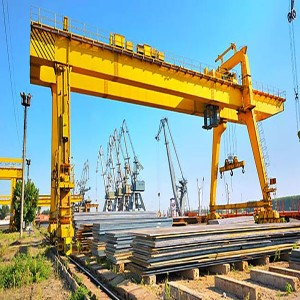
Industrial Drivable Gantry Crane for Bridge Con...