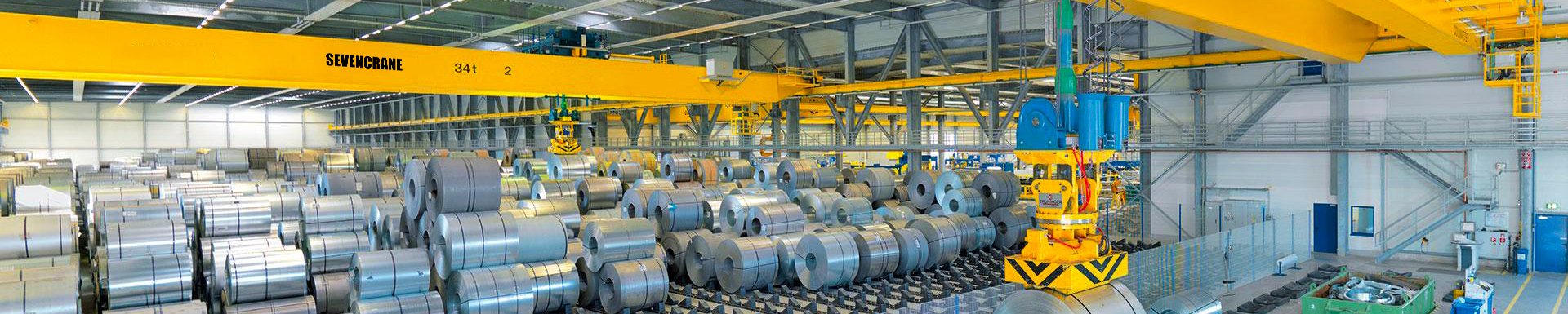

Warehouse Specialized Single Girder Overhead Crane Suitable for Factories
Overview
An overhead crane is a type of lifting equipment designed to move heavy materials efficiently and safely across a workspace. Unlike a one-size-fits-all machine, each overhead crane is custom-engineered to meet the specific handling needs of a factory, warehouse, or industrial facility. By automating lifting and material movement, overhead cranes significantly reduce manual labor and can operate two to three times faster than traditional methods, improving workflow and overall productivity.
A single girder overhead crane is a light-duty lifting system that uses one main beam instead of two. This design makes it ideal for handling moderate loads while remaining cost-effective, compact, and easy to install. Because of their efficiency and versatility, single girder overhead cranes are commonly used in manufacturing plants, engineering workshops, and various industrial environments.
Our single girder overhead cranes are engineered to deliver reliable performance, enhanced safety, and smooth material handling for everyday operations.


What Are Overhead Crane Specifications?
Understanding the key specifications of an overhead crane—including a single girder overhead crane—is essential for selecting the right equipment for your facility.
Lifting Capacity: Lifting capacity, also known as the rated load capacity, defines the maximum weight a crane can safely lift. For a single girder overhead crane, this value typically falls within the light to medium-duty range, making it ideal for manufacturing, workshops, and warehouses. Choosing the correct capacity depends entirely on the weight of the materials you handle daily. Selecting an undersized crane can lead to safety hazards, while an oversized crane may result in unnecessary costs.
Span: The span is the horizontal distance between the runway rails on which the crane travels. This measurement determines the width of the working area the crane can cover. Standard crane spans range from 10.5 m to 31.5 m, with customized options available. For a single girder overhead crane, selecting the right span ensures efficient coverage of the entire workspace without structural limitations.
Lifting Height: Lifting height refers to the maximum vertical distance the hook can reach. Common lifting heights range from 6 m to 30 m, and can be customized. Whether lifting equipment to upper floors or clearing tall machinery, choosing the correct lifting height is vital for smooth and safe operation.


Safety Guidelines
1. Comprehensive Operator Training
Safe operation of a single girder overhead crane begins with proper training. All operators must be thoroughly trained in operating procedures, emergency protocols, load handling techniques, and basic maintenance. Well-trained personnel significantly reduce the risk of accidents and ensure consistent operational efficiency.
2. Pre-Operation Inspections
Before each work shift, operators should perform a detailed inspection of the crane. This includes checking the hoist, trolley, bridge girder, end trucks, wire rope or chain, and electrical systems. Any signs of wear, unusual noise, or loose components on the single girder overhead crane must be addressed immediately to prevent failures.
3. Strict Load Capacity Compliance
Never exceed the crane’s rated lifting capacity. Overloading can stress the structure, damage mechanical components, or cause dangerous accidents. Adhering to the load chart and understanding the limits of the single girder overhead crane ensures safe and reliable lifting operations.
4. Proper Rigging Practices
Use certified slings, hooks, shackles, and lifting attachments. Ensure the load is securely fastened and balanced before lifting. Regular inspections of rigging tools are essential, and any damaged equipment should be replaced immediately to maintain safe operation of the single girder overhead crane.
5. Clear Communication and Coordination
Establish clear communication between operators and ground personnel through hand signals, radios, or communication devices. Proper coordination ensures safe load movement and prevents workers from entering hazardous zones.
6. Maintain Safe Working Distances
All personnel should stay clear of the crane’s operational path. Avoid standing under a suspended load and keep the surrounding work area free from unnecessary obstacles. Maintaining distance reduces the risk of injury from swinging, dropping, or shifting loads handled by the single girder overhead crane.
-
HD 5 Ton Single Girder Eot Crane With Electric ...
-
Best Selling 10 Ton Grab Bucket Overhead Crane
-

Single Girder Top Running Bridge Crane with Con...
-

Heavy Duty Electric Double Girder Overhead Cran...
-
High Quality Single Girder Overhead Crane for I...
-

Double Girder Overhead Crane Manufacturer Direc...