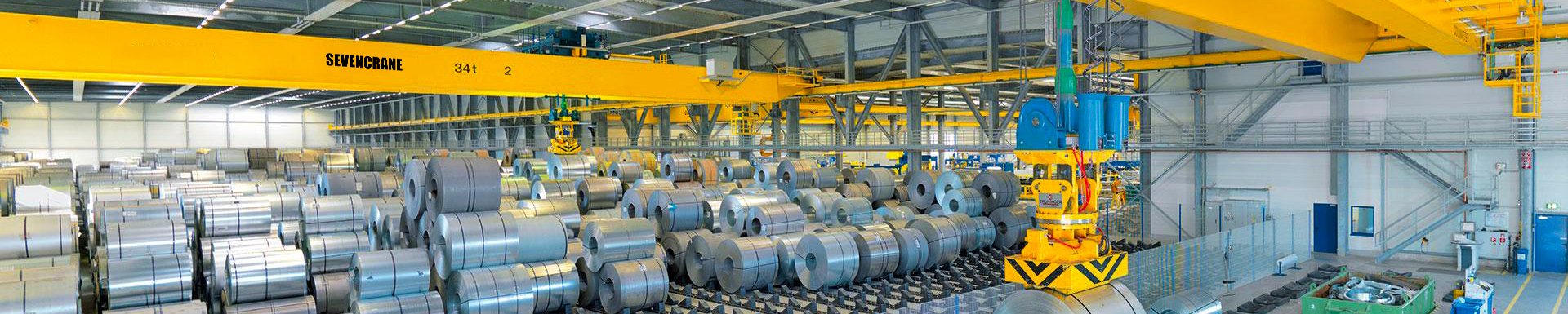

Outdoor Electric Hoist Gantry Crane for Open Yard Material Handling
Overview
Outdoor gantry cranes are widely used lifting solutions designed for handling heavy loads in open-air working environments. They are commonly found in storage yards, ports, docks, railways, shipyards, and construction sites, where traditional overhead cranes are often impractical or impossible to install. With a self-supporting structure, gantry cranes provide flexible and efficient material handling for outdoor operations.
To meet diverse lifting requirements, outdoor gantry cranes are available in multiple configurations and designs, including single girder and double girder models, rail-mounted and rubber-tyred types, semi-gantry cranes, as well as truss and cantilever structures. Each configuration is engineered to suit specific applications, load capacities, and site conditions.
Built for continuous operation, outdoor gantry cranes can perform reliably in harsh weather conditions such as wind and rain, both day and night. Their specially treated surfaces and protective coatings offer strong resistance to corrosion from salt spray, acids, and alkalis, ensuring long-term durability and stable performance in demanding outdoor environments.


Safety Factors to Consider for Outdoor Gantry Cranes
Environmental Conditions
The operating environment plays a critical role in the safe performance of an outdoor gantry crane. Factors such as extreme high or low temperatures, humidity levels, and long-term exposure to outdoor conditions directly influence the selection of structural steel, power cables, and electrical components. Proper material selection and protective design ensure stable operation and extended service life under varying environmental conditions.
Wind Resistance and Anti-Wind Measures
In regions with high annual wind speeds, outdoor gantry cranes must be designed with effective anti-wind systems. These may include rail clamps, anchoring devices, wind alarms, and storm brakes to prevent crane movement or overturning during strong winds, ensuring safe operation and parking.
Rainproof and Weather Protection
To maintain safety during rainy conditions, outdoor gantry cranes are equipped with protective measures such as covered lifting mechanisms and rainproof cabins. Electrical components are sealed, and external cables are routed through protective conduits to prevent water ingress, reducing the risk of electrical failure or corrosion.
Anti-Corrosion Protection
In corrosive environments such as coastal or seaside areas, gantry cranes are exposed to salt-laden air that accelerates corrosion. To address this, anti-corrosion coatings, specialized paints, and corrosion-resistant materials are applied to key structural and mechanical components, ensuring long-term durability and safe operation.
Load Size and Shape Considerations
The dimensions and geometry of the lifted loads directly affect crane safety. Container handling typically requires a gantry crane with an upper and lower portal frame structure, while long or irregular loads are better handled using an L-type gantry frame to ensure stability and balanced lifting.
Additional Safety Factors
Other important considerations include working frequency, lifting capacity, duty classification, and the reliability of the electrical control system, all of which contribute to overall operational safety.


How to Choose the Right Outdoor Gantry Crane
Evaluate Lifting Capacity and Usage Frequency
Start by identifying the maximum load you need to lift and how often lifting operations will occur each day. For occasional lifting of lighter materials, a light-duty outdoor gantry crane may be sufficient. However, if your operation involves frequent handling of heavy loads, a heavy-duty gantry crane is recommended to ensure stable performance and long-term reliability.
Consider Daily Operating Time
The crane’s duty cycle is a critical factor. Light-duty cranes are suitable for intermittent, low-intensity operations, while heavy-duty models are engineered for continuous or high-frequency use. If your workflow requires extended daily operation or multiple shifts, selecting a crane with a higher duty classification will improve safety, durability, and overall efficiency.
Assess Workspace and Site Conditions
Evaluate the available space, ground conditions, and working environment. In narrow or confined areas, a compact gantry crane with lower wheel pressure can reduce stress on the ground and improve maneuverability. For large workshops or outdoor yards, a heavy-duty gantry crane can offer greater span and lifting height, provided the foundation and ground bearing capacity meet the required standards.
Clarify Budget and Long-Term Costs
While light-duty cranes generally have lower initial costs, they may not be economical for frequent heavy lifting. Investing in a heavy-duty crane can provide better long-term value through reduced maintenance and longer service life. Always confirm whether quotations include manufacturing, transportation, installation, and commissioning.
Verify Compliance with Standards and Regulations
Ensure the gantry crane complies with applicable standards such as GB/T 14406-2011, GB/T 3811-2008, or relevant local regulations. Compliance helps avoid customs issues, operational risks, and potential legal liabilities.
Conduct a Professional On-Site Assessment
Finally, arrange for a qualified engineer to evaluate the site conditions. A professional assessment can confirm crane suitability, identify potential risks, and help optimize the crane configuration for better performance and cost efficiency.
-

Popular Railroad Gantry Crane with Electric Hoist
-
3-32 Ton Single Girder Travelling Gantry Goliat...
-

Outdoor Heavy Duty Gantry Crane with Strong Res...
-

China Professional Supplier Railroad Gantry Cra...
-

Low Temperature Single Girder Gantry Crane with...
-

Factory Supply Indoor Gantry Crane for Workshop...