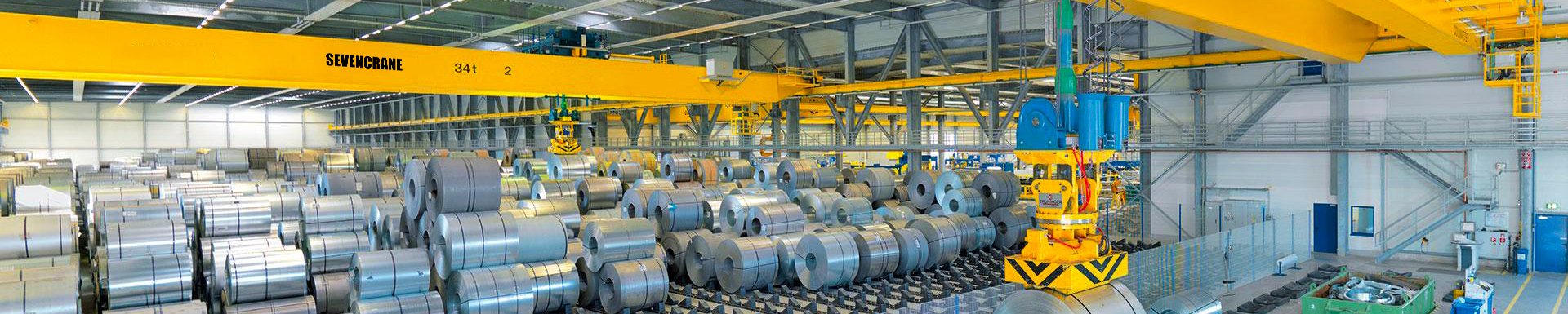

Robust Top Running Bridge Crane for Safe Material Handling Operations
Overview
A top running bridge crane is an economical and practical lifting solution designed for factories, workshops, warehouses, production lines, and other industrial environments. It is widely used for material handling, loading, unloading, and internal transportation of goods, helping improve workflow efficiency and reduce manual handling risks.
The crane typically features a lightweight welded box girder structure, reliable lifting components, and a stable travelling system. Its optimized design supports smooth movement, consistent lifting performance, and convenient daily maintenance. For workshops with regular lifting demands, this structure provides dependable operation without unnecessary complexity.
Compared with heavier or more complex crane systems, the single girder top running design can help reduce installation requirements, save working space, and lower overall investment costs. It is especially suitable for general lifting applications where cost control, safety, and operational efficiency are equally important.
In addition, the crane can be customized according to specific project requirements, including lifting capacity, span, lifting height, travelling speed, hoisting speed, and control methods. Options such as pendant control, wireless remote control, and variable frequency control can be selected based on actual working conditions.
With its balance of structural reliability, flexible configuration, and economical investment, a top running bridge crane provides an efficient material handling solution for a wide range of industrial applications.


Main Components of a Top Running Bridge Crane
1. Bridge Frame
The bridge frame is the primary load-bearing structure of a top running bridge crane. It spans the width of the building and connects the runway beams on both sides. During operation, the bridge travels along the runway system, allowing the hoist and trolley to move the load forward and backward across the working area. Depending on lifting capacity and span requirements, the bridge may use a single girder or double girder design. The girders can be made from rolled steel sections or fabricated into welded box-type structures for higher strength and rigidity.
2. Trolley and Lifting Mechanism
The trolley runs along the bridge girder and supports the hoisting mechanism. Its main function is to position the load horizontally across the crane span. The lifting mechanism raises and lowers materials through a motor-driven hoist drum, wire ropes, pulleys, brakes, and related transmission components. This system ensures stable lifting performance, accurate positioning, and reliable load handling.
3. End Trucks
End trucks are installed at both ends of the bridge frame. They allow the crane to travel along the runway rails through wheel assemblies. According to crane capacity and duty requirements, each end truck may be equipped with 2, 4, or 8 wheels to distribute the load properly and ensure smooth, stable movement.
4. Hook and Lifting Attachments
The hook is the most common lifting attachment for a top running bridge crane and is suitable for general material handling tasks. For specific applications, other lifting tools such as grab buckets, clamps, magnets, or customized attachments can be used to improve efficiency and safety when handling bulk materials, steel products, or special components.
5. Control System
The control system allows the operator to manage crane travel, trolley movement, and hoisting operations. It may include a control box, pendant control, wireless remote control, and Variable Frequency Drives (VFDs) for smooth speed adjustment and precise load positioning.
6. Electrical System and Safety Devices
The electrical system integrates controllers, sensors, power distribution units, and protective devices. Safety devices may include rubber buffers, audible and visual alarms, overload limit switches, travel limit switches, emergency stop buttons, voltage protection, electric protection devices, and seamless busbar systems to support safe and reliable crane operation.


Key Features of a Top Running Bridge Crane
1. Cost-Effective Solution
A top running bridge crane provides a practical and economical lifting solution for workshops, warehouses, fabrication plants, and manufacturing facilities. Compared with more complex lifting systems, it offers strong load-handling capability with a relatively lower investment cost. Its structure makes efficient use of the building runway system, helping users maximize working space while controlling equipment expenditure. For companies that need reliable material handling without unnecessary configuration, this crane type offers a balanced solution between performance and budget.
2. Stable and Reliable Operation
The proven bridge structure ensures smooth travelling, stable lifting, and consistent daily operation. With properly designed girders, end trucks, trolley systems, and electrical controls, the crane can maintain dependable performance under frequent working conditions. Its stable movement helps reduce load swing, improve handling accuracy, and support safer operation in demanding industrial environments. This reliability is especially important for production lines where downtime can directly affect delivery schedules and operational efficiency.
3. Flexible Custom Design
A top running bridge crane can be customized according to different workshop conditions, lifting capacities, spans, lifting heights, and duty classes. Whether the application requires a single girder design for light to medium-duty handling or a double girder design for heavier loads, the crane can be engineered to match specific site requirements. Additional options such as Variable Frequency Drives, remote control, specialized hooks, grab buckets, or other lifting attachments can also be configured based on operational needs.
4. Easy Installation and Maintenance
This crane type features a straightforward structure, which supports easier installation, inspection, and maintenance. Standardized components such as wheels, motors, brakes, electrical panels, and hoisting units simplify daily servicing and spare parts replacement. With proper maintenance planning, users can reduce operating costs, improve equipment availability, and extend service life. Its simple but robust design makes it a dependable choice for workshops seeking efficient lifting performance with manageable maintenance requirements.
-

Workshop Double Girder Overhead Crane with Remo...
-
63 Ton Electric Cabin Control Double Hoist Over...
-
HD 5 Ton Single Girder Eot Crane With Electric ...
-

Electric Overhead Crane Single Girder with LE M...
-

Warehouse Specialized Single Girder Overhead Cr...
-
Suspension Type Underhung Bridge Crane for Work...