
Safe and Efficient Customization Single Girder Gantry Crane for Small Work Areas
Overview
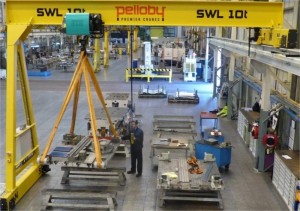
A single girder gantry crane is a type of lifting equipment with a simple and efficient structure, typically designed with one main girder or a double girder configuration supported by freestanding legs. These legs move on wheels or along a rail or track system, allowing the crane to operate flexibly in different working environments. It is commonly selected when installing an overhead runway system is not practical or not required.
This type of gantry crane is widely used for outdoor applications or in facilities where an existing overhead bridge crane system is already in place. Unlike traditional overhead cranes, a gantry crane does not rely on a building’s support structure. This eliminates the need for permanent runway beams and support columns, which can significantly reduce installation complexity and overall material costs, making it a more economical lifting solution in many projects.
Depending on the working environment and operational needs, larger gantry crane systems are often installed on ground-embedded rails and operate along a fixed straight path in dedicated working areas. Smaller or portable models are equipped with castors or wheels, allowing them to be moved freely within the facility for maintenance tasks, light fabrication work, or flexible material handling requirements.
Structurally, a gantry crane is mainly composed of the gantry frame, including the main girder, support legs, bottom end beams, lifting mechanism, traveling mechanism, and electrical control system. It can also be customized with different configurations, such as single hanging arm, double hanging arms, or no cantilever design, depending on specific lifting requirements and application conditions.


Advantages of Single Girder Gantry Crane
♦Simple and Compact Structure
The single girder gantry crane is designed with a simple and compact structure, making it easy to install, operate, and maintain. Its lightweight frame allows it to perform efficiently even in workshops, warehouses, and other space-limited working environments. The streamlined design also reduces installation time and overall foundation requirements.
♦Cost-Effective Solution
Compared with double girder or heavy-duty lifting systems, the single girder gantry crane offers a more economical solution while still maintaining reliable lifting performance. It provides an excellent balance between cost and functionality, making it a popular choice for small to medium-scale material handling projects where budget efficiency is important.
♦Flexible and Versatile Applications
This type of crane can be widely used in different industries such as construction, logistics, manufacturing, ports, and storage yards. It supports a variety of lifting tasks and can be customized according to different working requirements, including lifting capacity, span, lifting height, and power supply. This flexibility ensures that it can adapt to diverse operational conditions.
♦Strong and Durable Structure
The crane is manufactured using high-quality steel materials, ensuring strong structural integrity and long service life. Its robust design allows it to withstand frequent use and harsh working environments while maintaining stable and reliable performance over time.
♦High Safety Performance
Safety is a key priority in the design of the single girder gantry crane. It is equipped with multiple safety protection systems, including overload protection, limit switches, emergency stop devices, and other safety mechanisms. These features ensure safe operation, reduce risk during lifting activities, and protect both operators and equipment


Applications of Single Girder Gantry Crane
♦Outdoor Storage Yards
The single girder gantry crane is widely used in outdoor storage yards for efficient loading and unloading of materials. It is ideal for handling bulk goods, steel products, containers, and other medium-sized materials. Its flexible mobility and stable lifting performance make it suitable for frequent operations in open-air environments, improving overall handling efficiency.
♦Workshops and Manufacturing Plants
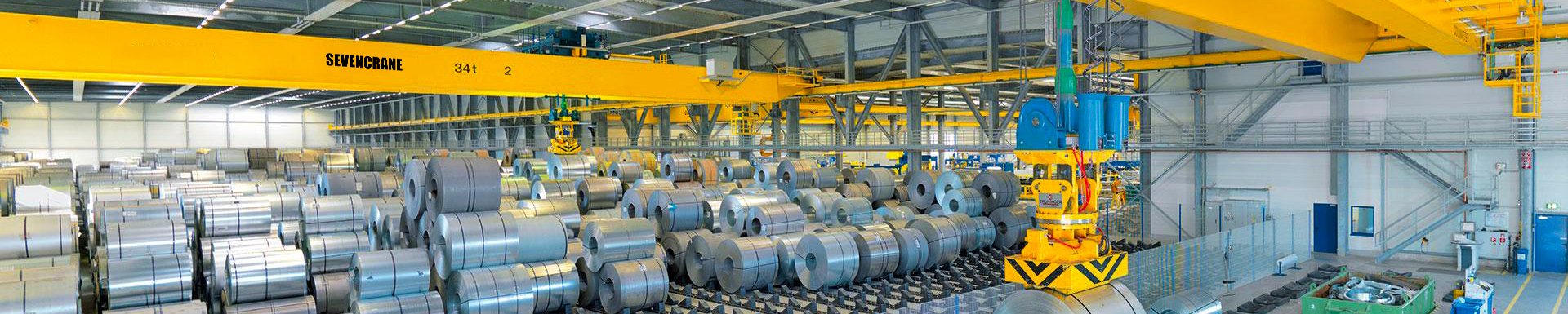
In workshops and factories, the single girder gantry crane plays an important role in streamlining material handling processes. It helps transport raw materials, semi-finished products, and finished goods between different working areas. By reducing manual handling, it significantly improves workflow efficiency and ensures smooth production operations.
♦Assembly Lines
The crane is also commonly used in assembly line operations where precise and controlled lifting is required. It assists in positioning components accurately during assembly, reducing downtime and improving production accuracy. Its stable operation ensures safe and efficient workflow in manufacturing environments.
♦Maintenance and Repair Operations
In maintenance workshops and industrial facilities, the single girder gantry crane is essential for lifting and moving heavy equipment or machine parts. It allows technicians to perform repair and maintenance tasks more safely and efficiently, especially when handling large or bulky components that are difficult to move manually.
♦Construction Sites
On construction sites, the crane is used to transport building materials, tools, and equipment across different areas. Its flexible structure allows it to adapt to changing site conditions, making it a reliable lifting solution for dynamic construction environments where mobility and efficiency are critical.