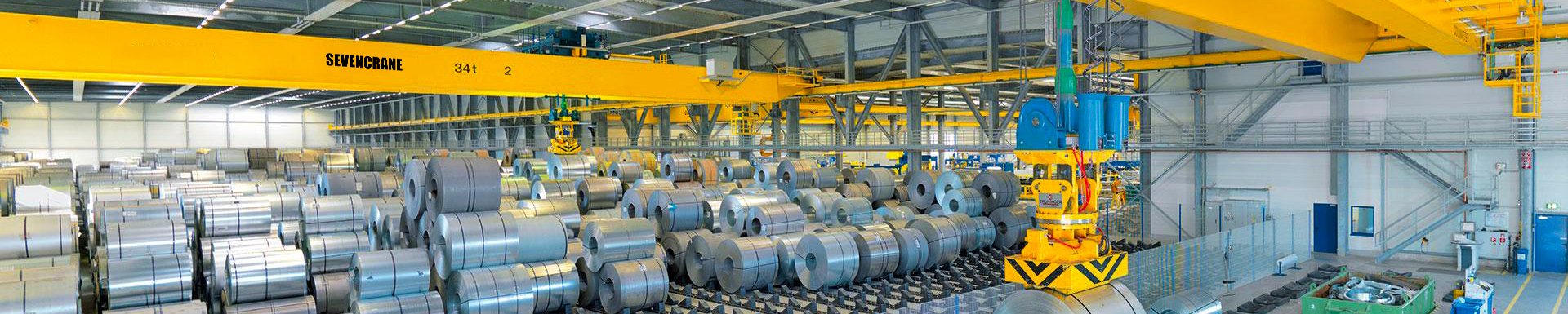

Widely Used Semi Gantry Crane for Industrial Applications
Key Features of Semi Gantry Crane
1. Flexible Lifting for Specific Work Areas
Single leg gantry cranes are designed to provide localized lifting solutions for dedicated production cells, assembly areas, maintenance zones, and specific working bays. They allow operators to handle materials precisely within a defined area, making them an efficient choice for tasks that do not require full workshop coverage.
2. Excellent Space Utilization
With its unique combination of an elevated runway and a ground rail system, the single leg gantry crane makes better use of available space. It can operate beneath existing overhead cranes without interfering with their lifting operations, helping businesses expand lifting capacity while maximizing the existing workshop layout.
3. Easy Integration with Existing Systems
Single leg gantry cranes can be seamlessly integrated into current production and material handling systems. Their flexible structure allows them to work together with overhead cranes, equipment lines, and other lifting facilities, creating a more efficient and coordinated workflow.
4. Safe and Stable Operation
Built with high-quality components and precise control systems, single leg gantry cranes provide stable movement and reliable lifting performance. Their optimized design improves operational safety while reducing the risk of interference with surrounding equipment and personnel.
5. Customizable Configuration
Single leg gantry cranes can be customized according to different lifting capacities, spans, lifting heights, and site conditions. This makes them suitable for a wide range of industrial applications while providing a cost-effective and practical lifting solution.


When Is a Semi Gantry Crane the Right Choice?
A single leg gantry crane is an ideal lifting solution for facilities that need efficient material handling while facing limitations in building structure, available space, or installation conditions. By combining one elevated runway with one ground rail, it provides the lifting advantages of both overhead cranes and gantry cranes while requiring fewer structural modifications.
1. When the lifting area is located along one side of a building
A single leg gantry crane is especially suitable when the required lifting path follows a workshop wall, factory column line, warehouse side, or production area boundary. One side of the crane can utilize the existing building structure for support, while the other side runs on a ground rail, creating an efficient lifting zone without occupying excessive working space.
2. When the building structure can support one side of the crane system
Before installation, a professional structural evaluation should be carried out to ensure that the building columns or supporting structures can safely handle the required loads. If the existing structure is strong enough to support an elevated runway, a single leg gantry crane can provide a cost-effective alternative to a complete overhead crane system.
3. When floor space needs to be maximized
A single leg gantry crane is a practical choice for workshops, warehouses, and production facilities that need to keep aisles, machinery areas, or operating spaces clear. Compared with a full gantry crane, it requires only one ground rail, reducing interference with daily operations and allowing better use of available floor space.
4. When a fixed lifting area or dedicated service zone is required
Single leg gantry cranes are commonly used for specific lifting routes, such as loading areas, maintenance stations, assembly zones, and material transfer sections. They provide stable and efficient lifting performance for repeated handling tasks in a defined working area.
However, if the building structure cannot safely support the elevated runway, or if the installation conditions do not allow a proper rail system, a traditional overhead crane or full gantry crane may be a more suitable option. A professional assessment of the working environment is essential to select the most effective lifting solution.


Factors to Consider Before Designing a Semi Gantry Crane
Designing a single leg gantry crane requires careful consideration of the working environment, structural conditions, and operational requirements. A proper evaluation before design ensures that the crane can operate safely, efficiently, and reliably throughout its service life.
1. Building Structure Load Capacity
The supporting capacity of the building side is one of the most important factors in single leg gantry crane design. Before manufacturing, the wall, columns, runway beams, or other supporting structures must be professionally inspected and analyzed. The elevated side of the crane must be strong enough to withstand the crane’s dead weight, lifting loads, and dynamic forces during operation. If the existing structure cannot safely support the required loads, a full gantry crane or another lifting solution may be more suitable.
2. Ground Rail Layout and Installation Conditions
The design of the ground rail directly affects the crane’s movement and stability. The rail position should match the required lifting route while considering floor load capacity, available clearance, nearby equipment, vehicle passages, and operator working areas. A properly planned rail layout helps ensure smooth crane travel and avoids interference with daily operations.
3. Span, Hook Coverage, and Working Range
The single leg gantry crane span should be designed according to the actual working area and lifting requirements. A suitable span ensures that the hook can reach the required positions without unnecessary increases in crane size, which can raise costs and create installation difficulties. The hook coverage area should be carefully evaluated to maximize lifting efficiency.
4. Headroom and Required Lifting Height
Available installation height and required lifting height must be considered during the design stage. Factors such as runway height, hoist type, load dimensions, and hook approach distance will affect whether the single leg gantry crane can reach the required working position. Proper planning ensures sufficient lifting height while maintaining safe operation.
5. Indoor, Outdoor, or Semi-Outdoor Application
The operating environment also influences crane design. For outdoor or semi-outdoor applications, additional considerations such as weather protection, electrical safety, corrosion-resistant surface treatment, drainage systems, and rail maintenance must be included. A customized design based on site conditions ensures long-term reliability and performance.
-

Material Handling Semi Gantry Crane for Limited...
-

Railroad Gantry Crane for Efficient Railway Lif...
-

Shipyard Mobile Boat Travel Lifter Ship Lifting...
-

Hot Selling Semi Gantry Crane with Wireless Rem...
-

Yacht Handling Machine Marine Travel Lift Price
-
Rtg Port 50 Ton Port Container Rubber Tyre Gant...